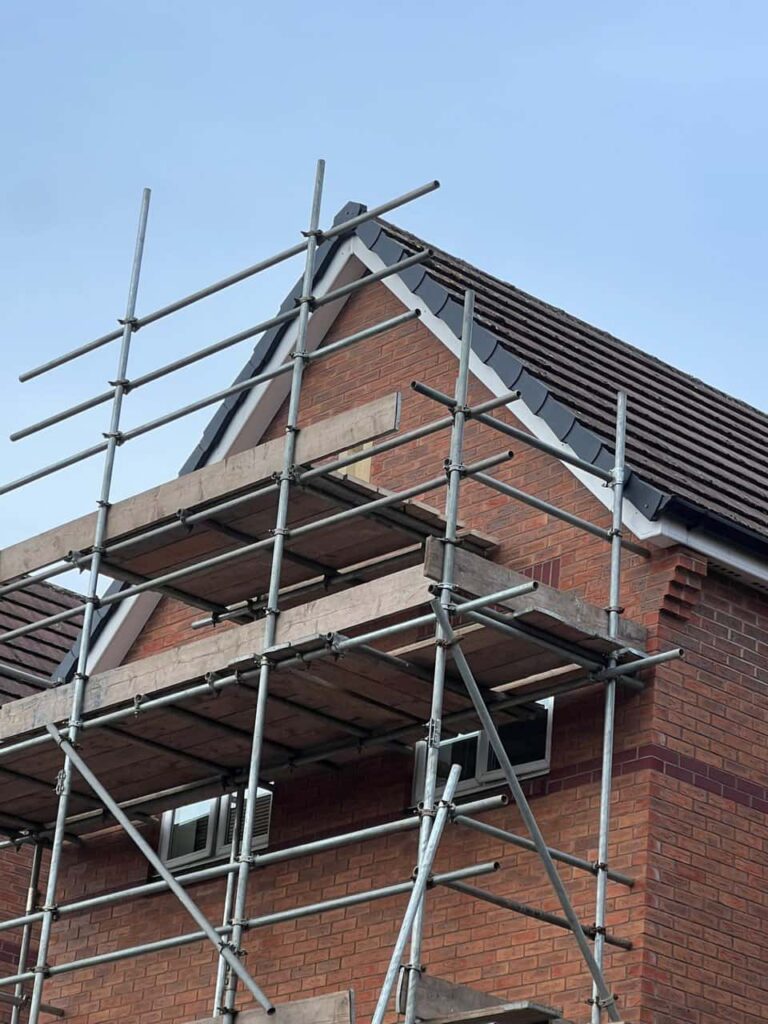
Concrete tile roofs are a familiar sight on homes throughout Witney, Oxfordshire. Known for their strength, longevity, and timeless appearance, they are one of the most reliable roofing materials available. However, like any roofing system, they still require occasional maintenance to stay in top condition. Over time, weather exposure, natural wear, and movement within the roof structure can lead to issues that need professional attention. LJ Roofing Witney highlights the most common problems found in concrete tile roofs and how they can be effectively repaired.
Why Concrete Tile Roofs Remain Popular
Concrete tiles have been used across the UK for decades because they offer exceptional durability and adaptability. They can withstand harsh weather, from strong winds to frost, and are available in a wide range of colours and profiles. In a region like Witney, Oxfordshire, where weather conditions vary year-round, this durability makes concrete tile roofs a practical and long-term investment.
However, while the tiles themselves are robust, the roof’s performance depends on the condition of every element — from underlay and battens to mortar and flashing. Regular inspection and maintenance help ensure that minor issues don’t turn into costly damage.
Common Problems with Concrete Tile Roofs
1. Cracked or Broken Tiles
One of the most frequent repair issues with concrete tile roofs is cracked or broken tiles. This can occur due to several factors: falling branches, foot traffic during maintenance, or simply the ageing of the tiles over time. Even small cracks can allow water to seep through, damaging the underlay or roof timbers below.
Solution:
Replacing damaged tiles promptly prevents water ingress and structural deterioration. LJ Roofing Witney carefully matches replacement tiles to maintain a consistent appearance and ensure a watertight seal.
2. Displaced or Slipped Tiles
Strong winds or deteriorated fixings can cause tiles to shift or slip out of place. When this happens, the roof’s protective barrier is compromised, exposing the underlay to rain and wind. In Witney’s climate, where heavy winds and rainfall are not uncommon, slipped tiles can quickly lead to leaks.
Solution:
Repositioning and securely fixing displaced tiles restores full coverage. Where fixings or battens have weakened, they should be replaced to ensure long-term stability. LJ Roofing Witney always ensures that each tile is correctly aligned and fastened to prevent future movement.
3. Mortar Deterioration on Ridges and Verges
The mortar used to secure ridge tiles and verges can deteriorate over time, especially under repeated exposure to rain and frost. Crumbling mortar leads to loose ridge tiles, which can become a safety hazard or allow water to penetrate the roof structure.
Solution:
Re-bedding or repointing ridge and verge tiles strengthens the roof’s integrity and prevents leaks. LJ Roofing Witney uses durable techniques and materials designed to withstand local weather conditions for years to come.
4. Leaking Valleys
Roof valleys — where two roof slopes meet — are particularly vulnerable areas. Debris such as leaves or moss can block the valley channels, preventing water from draining properly. This can cause water to pool or back up beneath the tiles, leading to leaks.
Solution:
Clearing valleys and inspecting the lead or metal linings ensures proper water flow. If corrosion or displacement is found, replacing the valley lining provides lasting protection. Regular cleaning by LJ Roofing Witney helps keep valleys free from blockages and water damage.
5. Damaged or Worn Flashing
Flashing is used around chimneys, skylights, and roof intersections to create a watertight barrier. Over time, it can loosen, crack, or corrode, particularly if it was not installed correctly or has been exposed to repeated freeze-thaw cycles.
Solution:
Replacing or resealing flashing prevents leaks from forming in vulnerable areas. LJ Roofing Witney ensures all flashing is properly fitted and sealed, providing strong protection against water ingress.
6. Moss and Algae Growth
In shaded or damp areas, moss and algae can grow on the surface of concrete tiles. While this may seem like a cosmetic issue, excessive growth can trap moisture, leading to frost damage and tile degradation over time.
Solution:
Gentle cleaning and the application of suitable roof treatments remove moss and help prevent regrowth. LJ Roofing Witney advises against harsh pressure washing, which can damage the protective surface of the tiles. Instead, controlled cleaning methods are used to maintain both function and appearance.
The Role of Underlay and Battens
Even if your concrete tiles are in good condition, problems can arise from the materials beneath them. The underlay acts as a secondary barrier against water, while battens support and secure the tiles. Over time, underlay can tear or rot, and battens can become weakened by moisture exposure.
When this happens, leaks may occur even though the tiles above appear intact. Replacing underlay or battens during roof repairs is often necessary to restore complete weatherproofing. LJ Roofing Witney conducts detailed inspections to determine whether the problem lies beneath the surface and provides targeted solutions to extend the roof’s lifespan.
Preventing Future Damage
Concrete tile roofs are designed to last for decades, but regular care makes a significant difference in their longevity. Simple steps can help prevent recurring problems and maintain the roof’s appearance.
Preventative maintenance tips include:
- Annual inspections to spot cracked or slipped tiles early.
- Cleaning gutters and valleys to prevent blockages and water pooling.
- Trimming overhanging branches to reduce debris and impact damage.
- Removing moss or algae before it spreads across large areas.
- Checking flashing and mortar after storms or freezing weather.
By following a consistent maintenance plan and scheduling professional inspections, homeowners in Witney, Oxfordshire, can ensure their concrete tile roofs continue to perform effectively for many years.
Why Professional Repair Matters
Concrete tile roof repairs require precision, especially when matching existing materials and maintaining correct alignment. Attempting DIY repairs can often cause more harm than good, as walking on tiles can easily lead to breakage or displacement.
Professional roofing specialists like LJ Roofing Witney have the expertise and tools to carry out safe, effective repairs without compromising the roof structure. Whether it’s a small leak, damaged ridge tiles, or underlay replacement, expert workmanship ensures the roof remains durable and watertight.
Conclusion
Concrete tile roofs are one of the most durable and reliable roofing options available, but even the strongest materials require occasional maintenance. Cracked tiles, deteriorating mortar, or worn flashing can all lead to water ingress and structural issues if left unchecked.
Homeowners in Witney, Oxfordshire, can rely on LJ Roofing Witney for expert inspection, repair, and maintenance of their concrete tile roofs. Through timely attention and professional care, these roofs continue to protect homes beautifully — delivering long-lasting performance and peace of mind.
Call us on: 01993 463 478
Click here to find out more about LJ Roofing Witney
Click here to complete our contact form and see how we can help with your roofing needs.