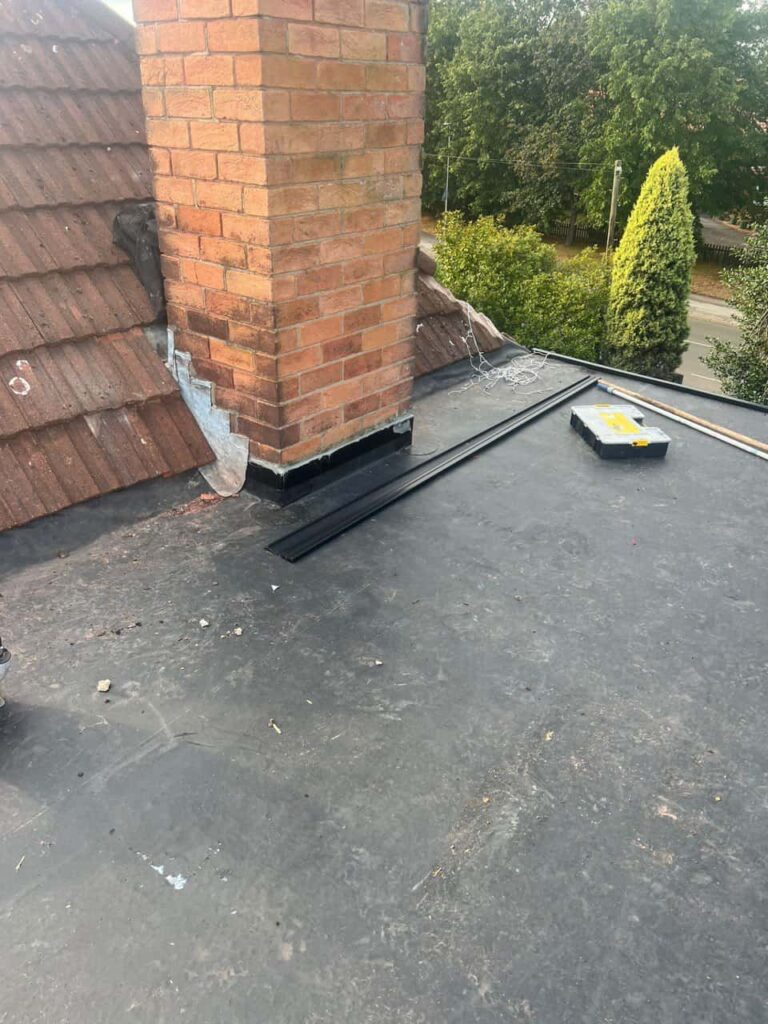
Most roofing problems do not automatically mean that a property needs a completely new roof. A slipped tile, isolated leak or small area of damaged flashing can often be dealt with through a targeted repair when the surrounding roof remains in good condition. However, there comes a point when continuing to repair individual defects may no longer address the wider condition of an ageing or extensively deteriorated roofing system.
For homeowners in Witney, Oxfordshire, understanding the difference between a repairable defect and a roof that would benefit from complete replacement can help ensure the right work is carried out at the right time. At LJ Roofing Witney, we assess the overall condition of the roof rather than looking solely at its most obvious problem, allowing an appropriate long-term solution to be recommended.
Roof Repairs and Roof Replacement Solve Different Problems
Roof repairs are generally intended to correct specific defects within an otherwise serviceable roof. Replacement takes a much broader approach.
A repair might address:
- A small number of damaged tiles or slates
- Localised flashing deterioration
- An isolated area of water ingress
- A particular damaged roof detail
- Limited storm-related damage
Complete replacement becomes more relevant when deterioration is no longer confined to one particular area.
The decision should therefore be based on the condition of the complete roofing system rather than simply the presence of a leak.
1. Roofing Problems Are Becoming Widespread
One of the clearest indications that replacement deserves consideration is when defects are appearing across several different areas of the roof.
A homeowner might initially have one section repaired, only for another problem to develop elsewhere later. When this pattern continues, the issue may be the general condition of the roof rather than a series of unrelated faults.
Signs of widespread deterioration can include:
- Numerous cracked or damaged tiles
- Repeatedly slipping roof coverings
- Deterioration across several roof slopes
- Multiple areas of water ingress
- Ageing flashing and roof details
- Increasingly frequent repair requirements
At this stage, assessing the roof as one complete system becomes particularly important.
2. Repairs Are Becoming Increasingly Frequent
A well-executed repair can be an excellent solution when the surrounding roofing materials remain dependable.
The situation is different when new problems continually appear.
If one repair is followed by another elsewhere, the roof may have reached a stage where individual interventions are only addressing the next weakest point.
A professional inspection can help establish whether further repair remains sensible or whether replacement would deal more effectively with the overall deterioration.
3. The Roof Covering Has Become Generally Deteriorated
Roof tiles and slates form the most visible layer of protection, and their condition can provide useful information about the wider roof.
A few damaged units can often be replaced individually. If significant numbers have become cracked, weathered, loose or otherwise unreliable, however, localised repairs become less effective.
The important distinction is between isolated damage and general deterioration.
Where large sections of the roof covering are approaching a similar condition, complete replacement can provide a more consistent solution.
4. Problems Exist Beneath the Tiles
The visible roof covering is only one part of a complete roofing system.
Beneath tiles or slates are other components that contribute to the roof’s performance. Depending on its construction, these may include underlay, battens and supporting roof structures.
If the underlying materials have deteriorated extensively, simply replacing individual tiles above them may not address the real problem.
Complete roof replacement provides an opportunity to expose and assess the construction beneath the covering, allowing unsuitable components to be addressed before the new roof is installed.
5. The Underlay Has Reached a Poor Condition
Roofing underlay provides secondary protection beneath the external covering.
Over many years, older underlay can deteriorate and become less dependable. This may not be obvious from outside because it remains hidden beneath the tiles or slates.
Where underlay deterioration is widespread, repeatedly repairing the visible covering may leave an ageing secondary layer in place.
A replacement roof allows the roofing system to be renewed more comprehensively rather than concentrating only on what can be seen externally.
6. Battens Require More Extensive Attention
Battens support the roof covering and form an important part of many pitched roofing systems.
Where deterioration is limited, localised work may sometimes be appropriate. However, if significant sections are no longer suitable, the roof covering may need to be removed to address them properly.
This is one reason an apparently straightforward roofing problem can sometimes reveal the need for more substantial work once the underlying condition is assessed.
7. Persistent Leaks Can Indicate a Wider Problem
A recurring leak does not necessarily mean that previous repair work was ineffective.
Water can enter through different weaknesses as a roof ages. Fixing one genuine entry point may resolve that particular defect, while another deteriorated area subsequently begins allowing moisture through.
If leaks repeatedly develop in different locations, the condition of the complete roof should be investigated.
Replacement may become the better option when water ingress is a symptom of widespread deterioration rather than one identifiable local defect.
8. Previous Repairs Cover Large Areas of the Roof
Older roofs can accumulate many repairs over their lifetime.
There is nothing inherently wrong with a properly completed repair, but a roof containing numerous repaired sections can indicate that its materials have been deteriorating progressively for some time.
Eventually, the roof can become a collection of materials of different ages and conditions.
Where substantial areas have already required attention and further defects continue appearing, complete replacement can provide a consistent new roofing system rather than adding another localised repair.
9. The Roof Has Become Difficult to Maintain Reliably
A roof does not need to be experiencing a major failure before replacement becomes worth considering.
Sometimes the deciding factor is that maintaining dependable performance has become increasingly difficult.
If regular attention is required simply to keep the roof weather-resistant, homeowners may benefit from considering whether comprehensive renewal would provide a more appropriate long-term approach.
Professional assessment is important because some older roofs remain perfectly suitable for continued repair, while others have reached a point where replacement makes considerably more practical sense.
10. Several Roofing Components Are Deteriorating Together
A roof consists of numerous interconnected components.
The covering, underlay, battens, flashing, ridge details and other elements all contribute to keeping the property protected.
When only one component has a problem, targeted repair may be sufficient. When several parts of the roofing system have deteriorated simultaneously, replacing one component at a time may become increasingly inefficient from a practical perspective.
Complete replacement allows the roof to be considered as a whole.
What Does Complete Roof Replacement Achieve?
Replacement involves more than installing new tiles or slates.
A properly planned re-roofing project provides an opportunity to inspect the exposed roof and renew appropriate components systematically.
Depending on the existing roof and its condition, the work can address:
- Deteriorated roof coverings
- Ageing underlay
- Unsuitable battens
- Problematic flashing details
- Ridge and hip areas
- Other associated roofing components
The result is a more coordinated roofing system rather than a series of separate repairs carried out over many years.
Replacement Can Resolve Recurring Weak Points
One advantage of replacing a substantially deteriorated roof is that the work is not restricted to whichever area happens to be causing trouble at that moment.
The complete covering can be addressed, including sections that may not yet have developed an obvious leak but are approaching a similar condition.
This can be particularly valuable where deterioration is widespread across materials of a similar age.
Instead of waiting for each individual weakness to become a noticeable problem, replacement deals with the roof comprehensively.
A New Roof Provides a Consistent Finish
Extensive repairs can sometimes leave differences in appearance between older and newer sections of roofing.
Complete replacement provides a consistent finish across the roof, which can significantly improve the overall presentation of the property.
Careful material selection and installation can create a roof that complements the character and proportions of the home while delivering the required weather protection.
For many homeowners, this combination of practical renewal and visual improvement is an important benefit of replacement.
When Is Repair Still the Better Option?
Complete replacement should not be recommended simply because a roof has developed a problem.
Repair can remain entirely appropriate when:
- Damage is genuinely localised
- The majority of the covering remains sound
- Underlying materials remain suitable
- The problem has a clearly identifiable cause
- The surrounding roof remains dependable
- Previous repairs are not becoming widespread
A professional roofer should distinguish between a roof that needs repairing and one whose overall condition makes replacement more appropriate.
Why a Thorough Roof Assessment Matters
It is rarely possible to make an informed decision based solely on an internal damp patch or a few photographs taken from ground level.
A professional assessment considers the wider roof.
This may include looking at:
- Overall covering condition
- Patterns of deterioration
- Previous repairs
- Flashing and junctions
- Ridge and hip details
- Evidence of moisture penetration
- Accessible underlying components
- Whether problems are isolated or widespread
This broader picture is what allows a sensible recommendation to be made.
Avoid Replacing a Roof Too Soon — or Repairing It for Too Long
The best roofing decision is not automatically the largest amount of work.
Replacing a roof that remains fundamentally sound may be unnecessary. Equally, repeatedly repairing a roofing system that has deteriorated extensively may only postpone work that eventually becomes unavoidable.
The objective should be to identify the point at which the balance changes.
If a roof still has dependable surrounding materials, repair can preserve it effectively. If widespread deterioration means new weaknesses are continually emerging, replacement may provide the more appropriate long-term solution.
Professional Replacement Roofing in Witney
At LJ Roofing Witney, we provide professional roofing services throughout Witney, Oxfordshire, including roof repairs and complete replacement roofing.
Our approach begins with understanding the condition of the existing roof. We look beyond the most obvious defect to establish whether the problem is isolated or connected to wider deterioration.
Where repair remains appropriate, targeted work can help preserve the existing roof. Where the roofing system has reached a stage at which complete renewal makes more practical sense, we can provide a professionally installed replacement designed to restore dependable protection to the property.
Conclusion
Complete roof replacement becomes the better option when deterioration has moved beyond isolated defects and begins affecting the roofing system more widely. Repeated leaks, numerous damaged tiles or slates, deteriorating underlying materials, extensive previous repairs and problems occurring across several parts of the roof can all indicate that continued localised repairs may no longer provide the most appropriate solution.
However, replacement is not automatically necessary simply because a roof is older or has developed a fault. The decision should always be based on its actual condition and whether the surrounding roofing materials remain suitable for continued service.
For homeowners in Witney, Oxfordshire, LJ Roofing Witney provides professional roof assessments, repairs and replacement roofing tailored to the condition of each property. If your roof is requiring increasingly frequent attention or you are unsure whether another repair is worthwhile, contact our team to arrange an assessment and discuss the most appropriate way forward.
Call us on: 01993 463 478
Click here to find out more about LJ Roofing Witney
Click here to complete our contact form and see how we can help with your roofing needs.